Eating is something we do every day, often without thinking much about it. But how we eat is just as important as what we eat. Good eating habits don’t mean strict diets or giving up your favorite foods. Instead, they focus on balance, awareness, and consistency. Learning how to eat properly can improve your energy levels, digestion, mental clarity, and overall health.
In this guide, we’ll break down how to eat in a simple, practical way—covering mindset, portion control, meal timing, food choices, and mindful eating.
How to Eat:
1. Understand the Purpose of Eating
Eating is not just about satisfying hunger or cravings. The primary purpose of eating is to fuel your body. Food provides energy, supports growth and repair, strengthens immunity, and keeps your brain functioning properly.
When you start viewing food as fuel rather than just pleasure, your eating choices naturally improve. This doesn’t mean you can’t enjoy food—enjoyment is important—but nourishment should come first.
2. Eat When You’re Hungry, Not When You’re Bored
One of the most common unhealthy habits is eating out of boredom, stress, or habit rather than hunger. Emotional eating often leads to overeating and poor food choices.
Before eating, ask yourself: How to Eat
Am I physically hungry?
Or am I bored, stressed, or tired?
If it’s not hunger, try alternatives like drinking water, going for a short walk, or doing something engaging. Learning to recognize true hunger cues is a key step in healthy eating.
3. Focus on Balanced Meals
A balanced meal includes a mix of macronutrients and micronutrients. Ideally, your plate should include:
Carbohydrates: Provide energy (rice, roti, oats, fruits, vegetables)
Proteins: Help with muscle repair and satiety (dal, eggs, paneer, chicken, fish, tofu)
Healthy fats: Support brain and hormone health (nuts, seeds, ghee, olive oil)
Fiber: Aids digestion (vegetables, fruits, whole grains)
You don’t need to calculate every gram—just aim for variety and balance.
4. Control Portions Without Obsessing
Eating healthy foods in excessive quantities can still lead to weight gain and discomfort. Portion control is about listening to your body, not starving yourself.
Simple portion tips:
Eat slowly and stop when you feel comfortably full
Use smaller plates to avoid overeating How to Eat
Avoid eating directly from packets
Pay attention to hunger and fullness signals
Remember, it’s okay to eat more on some days and less on others.
5. Eat Slowly and Mindfully
Mindful eating is one of the most powerful yet underrated habits. When you eat slowly, your brain has time to register fullness, which prevents overeating.
Practice mindful eating by:
Avoiding screens while eating
Chewing food properly
Not rushing meals
Focusing on taste, texture, and aroma
This simple habit improves digestion and helps you enjoy food more.
6. Maintain Regular Meal Timings
Eating at irregular times can disrupt digestion and energy levels. While rigid schedules aren’t necessary, consistency helps your body function better.

General guidelines:
Don’t skip meals frequently
Eat breakfast within 1–2 hours of waking
Space meals 3–4 hours apart
Avoid very heavy meals late at night
Regular meal timings support metabolism and reduce unnecessary snacking.
7. Choose Whole Foods Over Processed Foods
Whole foods are foods that are close to their natural form. Processed foods often contain excess sugar, salt, unhealthy fats, and additives.
Try to:
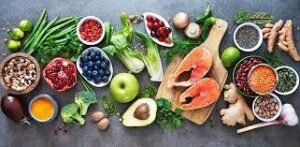
Eat more fruits and vegetables
Choose whole grains over refined grains
Limit packaged snacks and sugary drinks
Read food labels when buying packaged foods
You don’t need to eliminate processed foods completely—moderation is key.
8. Stay Hydrated While Eating Right
Sometimes, thirst is mistaken for hunger. Drinking enough water is essential for digestion, nutrient absorption, and appetite control.
Hydration tips:
Drink water throughout the day
Avoid excessive sugary drinks
Limit alcohol and carbonated beverages
Drink a glass of water before meals if needed
Proper hydration supports healthy eating habits.
9. Don’t Label Foods as “Good” or “Bad”
Labeling foods as “good” or “bad” often leads to guilt and unhealthy relationships with food. Instead, think in terms of “everyday foods” and “sometimes foods.”
Everyday foods: fruits, vegetables, grains, proteins
Sometimes foods: sweets, fast food, desserts
How to Eat Enjoy your favorite foods occasionally without guilt. A healthy diet is about overall patterns, not perfection.
10. Listen to Your Body
Your body is the best guide when it comes to eating. Everyone’s nutritional needs are different based on age, activity level, lifestyle, and health conditions.
Pay attention to:
How to Eat
How foods make you feel
Energy levels after meals
Digestion and comfort
Hunger and fullness signals How to Eat
Adjust your eating habits based on what works best for you.
11. Build Sustainable Eating Habits How to Eat
The best way to eat is the way you can maintain long-term. Crash diets and extreme restrictions usually fail because they are not sustainable.
How to Eat
To build lasting habits:
Make small changes gradually
Focus on progress, not perfection
Be patient with yourself
Allow flexibility in your diet
Healthy eating is a lifestyle, not a short-term goal.
The Art and Science of Eating: A Comprehensive Guide to Nourishing Your Body
In an era of “superfoods,” “biohacking,” and contradictory diet trends, we’ve managed to turn one of the most natural human instincts—eating—into a source of profound stress. We track macros, obsess over labels, and often forget that the primary purpose of food is to fuel our lives and provide joy.
How to eat is just as important as what you eat. This guide breaks down the fundamentals of nutrition, the psychology of consumption, and practical habits to help you build a sustainable, healthy relationship with food.
1. The Foundation: Understanding Your Fuel
Before we dive into habits, let’s clear the air on the “what.” Your body requires three primary macronutrients to function at its peak. Think of these as the building blocks of your physical existence.
The Macro Trio
-
Protein: The “builder.” Protein is essential for muscle repair, immune function, and hormone production. Aim for diverse sources like lean meats, fish, eggs, lentils, chickpeas, and fermented soy. How to Eat
-
Carbohydrates: The “battery.” Despite their controversial reputation, carbs are your brain and muscles’ preferred energy source. Focus on complex carbohydrates—oats, quinoa, sweet potatoes, and whole grains—which provide steady energy rather than the “crash” associated with refined sugars.
-
Fats: The “protector.” Healthy fats are vital for brain health and absorbing vitamins (A, D, E, and K). Look for monounsaturated and omega-3 fatty acids found in avocados, nuts, seeds, and olive oil.
The Micro Powerhouses
Vitamins and minerals don’t provide energy, but they are the spark plugs that keep the engine running. A simple rule of thumb? Eat the rainbow. Each color in a vegetable or fruit usually represents a different phytonutrient or antioxidant profile.
2. The Golden Rule: Quality Over Calories
The “calories in vs. calories out” model is a helpful baseline, but it’s an oversimplification. 100 calories of kale affects your hormones, blood sugar, and satiety very differently than 100 calories of gummy bears.
Focus on Whole Foods
A “whole food” is something that hasn’t been significantly altered from its natural state. If it comes in a box with a list of twenty ingredients you can’t pronounce, it’s ultra-processed.
Why it matters:
-
Fiber Content: Whole foods are usually high in fiber, which aids digestion and keeps you full.
-
Blood Sugar Stability: Processed foods cause insulin spikes, leading to energy crashes and increased fat storage.
-
Nutrient Density: You get more “bang for your buck” in terms of vitamins per calorie.
3. Mastering the “How”: The Psychology of Eating
If you eat a salad while standing over the sink, stressed and scrolling through emails, your body isn’t in a state to digest it properly.
Practice Mindful Eating
Mindfulness isn’t just for meditation; it belongs at the dinner table. When we eat mindfully, we engage the parasympathetic nervous system (the “rest and digest” mode).
-
Chew Thoroughly: Digestion starts in the mouth. Saliva contains enzymes that begin breaking down carbohydrates. Aim for 20–30 chews per bite.
-
Eliminate Distractions: Put the phone away. Turn off the TV. When you focus on the flavor, texture, and aroma of your food, your brain receives the “I am eating” signal much more clearly.
-
The 20-Minute Rule: It takes about 20 minutes for your stomach to signal to your brain that it’s full. If you bolt your food down in five minutes, you’ll likely overeat before your brain catches up.
Honor Your Hunger Cues
We often eat because of the clock, boredom, or stress—not hunger. Learn to distinguish between:
-
Physical Hunger: Develops slowly, felt in the stomach, goes away when full.
-
Emotional Hunger: Comes on suddenly, creates a craving for specific “comfort” foods, and often leads to guilt.
4. Structuring Your Day: Timing and Hydration
While “when” you eat is often secondary to “what,” some structure can help manage energy levels.
The Importance of Water
Often, when we think we’re hungry, we’re actually dehydrated. Water is essential for every metabolic process in the body.
-
Drink a glass of water upon waking.
-
Drink water 30 minutes before a meal to aid digestion and help with portion control.
-
Avoid drinking large amounts during a meal, as it can dilute digestive enzymes.
To Snack or Not to Snack?
Constant grazing keeps your insulin levels elevated all day. If you find yourself needing to snack every hour, your main meals likely lack enough protein or healthy fats. Aim for balanced meals that keep you satisfied for 4–6 hours.
5. Building a Balanced Plate
Visuals are often more helpful than counting grams. Use the Plate Method for a foolproof way to portion your meals:
| Component | Portion Size | Examples |
| Vegetables | 1/2 Plate | Spinach, broccoli, peppers, carrots |
| Lean Protein | 1/4 Plate | Salmon, chicken breast, tofu, beans |
| Complex Carbs | 1/4 Plate | Brown rice, quinoa, roasted potato |
| Healthy Fats | 1-2 Tablespoons | Olive oil, avocado, pumpkin seeds |
6. Social Eating and the “80/20” Rule
Strict diets fail because they don’t account for real life. You will go to birthday parties, you will have late-night pizza with friends, and you should enjoy those moments without a side of guilt.
The 80/20 Rule:
-
80% of the time: Eat whole, nutrient-dense foods that nourish your cells.
-
20% of the time: Enjoy your favorite treats in moderation.
This approach prevents the “all-or-nothing” mentality that leads to binge eating. If you have a “bad” meal, don’t throw away the whole day. Just make your next choice a healthy one.
7. Bio-Individuality: Listen to Your Body
The most important takeaway is that there is no “one size fits all” diet. Your genetics, activity level, and gut microbiome are unique.
-
The Food Journal Experiment: For one week, write down what you eat and—more importantly—how you feel two hours later. Do you feel energized or sluggish? Bloated or light?
How to Eat
-
Common Triggers: If you experience brain fog or digestive distress, pay attention to common irritants like dairy, gluten, or excessive caffeine.
Summary: A Checklist for Success
To wrap it all up, here is your daily checklist for better eating: How to Eat
-
[ ] Did I eat at least three different colors of vegetables today?
-
[ ] Did I prioritize protein in my first meal?
-
[ ] Did I drink enough water to keep my energy up?
-
[ ] Did I sit down and breathe before I started eating?
-
[ ] Am I eating because I’m hungry, or because I’m stressed?
Final Thought
Eating is one of the few things in life we have total control over. It is the ultimate form of self-respect. When you view food as information you’re giving your body, you stop seeing it as the “enemy” and start seeing it as the foundation for a vibrant, energetic life.
Conclusion
Learning how to eat properly doesn’t require complicated rules or strict diets. It’s about awareness, balance, and consistency. By eating when you’re hungry, choosing balanced meals, practicing mindful eating, and listening to your body, you can build a healthy relationship with food.
Remember, eating well is not about control—it’s about care. When you treat food as nourishment and enjoyment combined, healthy eating becomes natural and sustainable.
🥗 FAQs:
Is there one “perfect” diet I should be following?
Honestly? No. The “perfect” diet is the one that is sustainable for you, meets your nutritional needs, and makes you feel good. Instead of chasing trends, focus on a balanced foundation: plenty of vegetables, quality proteins, healthy fats, and complex carbohydrates.
How do I know if my plate is actually balanced?
A great rule of thumb is the Plate Method. Aim to fill half your plate with non-starchy vegetables, one-quarter with lean protein, and one-quarter with fiber-rich carbs or starches, plus a thumb-sized portion of healthy fats.
Do I need to cut out snacks to be healthy?
Not at all! Snacks can prevent overeating at mealtimes by keeping your blood sugar stable. The trick is to choose “mini-meals” that combine fiber and protein (like an apple with almond butter) rather than reaching for highly processed, sugary snacks.
How can I tell the difference between physical hunger and emotional craving?
Physical hunger usually comes on gradually, can be satisfied by many different types of food, and is felt in the stomach (growling). Cravings or emotional hunger often come on suddenly, are for a specific “comfort” food, and are felt more in the “head.”